Featured
Table of Contents
Production companies have long used lean practices to lower waste and optimize workflows. In the service sector, medical practices see significant gains by automating billing and standardizing procedures. Carry out automation for repeated tasks like data entry and schedulingDevelop standard operating procedures (SOPs) for constant qualityTrack efficiency with KPIs and real-time dashboardsEstablish continuous enhancement cultures through regular team reviewsLeadership buy-in is vital.
Organizations where groups frequently evaluate and fine-tune procedures surpass fixed rivals. A clinic automated appointment scheduling and billing, lowering errors and administrative expenses. This resulted in greater client throughput and satisfaction ratings while freeing personnel to concentrate on client care. Forming alliances, joint endeavors, or co-marketing arrangements is effective for extending reach and abilities.
Consider the creative partnership in between Lyft and Taco Bell, which cross-promoted services to reach brand-new audiences. Advantages include shared resources, broadened consumer bases, and increased credibility. Identify partners with complementary strengths and lined up valuesApproach with clear, mutual value propositionsDefine roles, duties, and efficiency expectations upfrontEstablish communication protocols and regular evaluation schedulesLegal and functional clarity is important.
Building Sustainable Enterprise Models that Scale
Gain from others' mistakes by constantly establishing performance metrics upfront. For small companies, partnerships with regional influencers or technology suppliers can dramatically speed up development without large capital expense. Technology is at the heart of modern-day growth methods. Cloud solutions, AI, automation, and advanced analytics are now standard tools for scaling and agility.
Amazon's unrelenting focus on client experience tech set market criteria that competitors still chase after. Assess needs and set clear goals before picking toolsConduct cost-benefit analysis consisting of overall expense of ownershipPlan for integration challenges and worker training requirementsStart with pilot programs before full-scale rolloutTechnology improves both consumer complete satisfaction and operational agility.
Acquisition-led growth involves buying companies to get brand-new markets, products, or capabilities. While not appropriate for every company, it is one of the most direct growth methods for business looking for rapid scale.
Unilever's purchase of Dollar Shave Club broadened its direct-to-consumer presence and digital abilities. Immediate market entry, expanded talent swimming pools, diversified item offerings, and sped up revenue development that would take years to build naturally. Conduct extensive due diligence covering financials, operations, and cultureDevelop detailed integration plans before closing the dealAssess cultural compatibility to prevent post-merger conflictsEstablish clear interaction with all stakeholders throughout the processRisks are genuine.

Acquisition is not always the best move for small organizations, however creative approaches exist: acquiring a rival's client book or merging with a complementary provider can provide results. Financing alternatives variety from traditional loans to revenue-based financing, depending upon offer size and organization model. Talk to M&A consultants and tax experts before pursuing this method.
Developing Sustainable Enterprise Models to Convert
Each action assists guarantee your selected strategies are customized to your service, measurable in their impact, and flexible enough to respond to rapid market modifications. Are you excelling in customer service, or do you have untapped operational capability?
A home services company may utilize its local reputation and customer relationships. To drive results, set clear, measurable objectives for each picked strategy.
Reviewing B2B Scaling Frameworks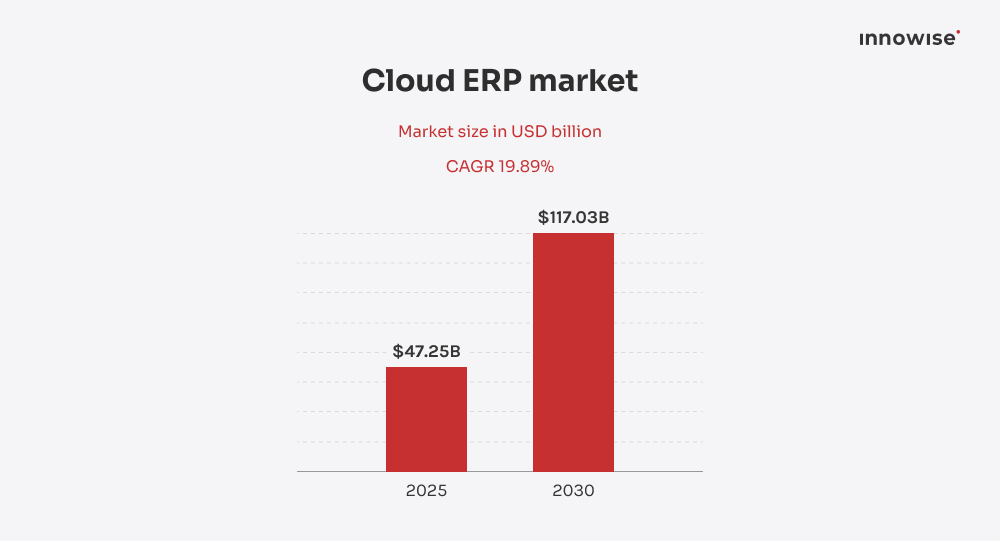
Specify targets such as earnings development portions, consumer retention rates, or market share increases. Track development with relevant KPIs customized to your strategy. Market penetration: Repeat purchase rate, client lifetime valueOperational efficiency: Expense per transaction, process cycle timeInnovation: New item income as percentage of total salesTechnology adoption: System usage rates, time conserved per processRegular evaluations allow you to change targets as needed.
Establish a tactical strategy that permits you to pivot quickly as market characteristics change. Break down each method into actionable actions, assigning duty and timelines to crucial employee. Use control panels and automation tools to keep an eye on development in real time. Agility is necessary: businesses that frequently review results and adjust their strategies exceed those locked into rigid strategies.
Execution bridges the space between strategy and success. Responsibility is the engine that keeps growth strategies for company moving forward.
Growing Enterprise Software for the Future
This layer of responsibility not only speeds up development but likewise instills a culture concentrated on concrete results rather than empty activity. Often, even the best growth strategies for service can stall due to operational turmoil, unclear instructions, or stopped working past efforts. When progress plateaus, bringing in an external professional can make the difference between stagnancy and genuine momentum.
Reviewing B2B Scaling FrameworksLook for tested experience, practical support, and versatility instead of long-term agreements. The player-coach model from Accountability Now, for example, empowers small company owners to execute results-driven modifications instantly. This method concentrates on hands-on execution instead of theoretical structures that gather dust. If internal solutions are insufficient, think about checking out small company success techniques for direct, honest assistance that drives quantifiable outcomes.
By introducing a customer referral program and automating follow-ups, they boosted retention and steadily increased new reservations. Executed standardized operating procedures for technicians to make sure consistent qualityAutomated customer interactions and visit pointers to minimize no-showsInvested in ongoing specialist training for quality control and consumer satisfactionCreated tiered referral incentives that rewarded both existing and new consumers The business doubled its profits in under two years.
Customer satisfaction scores increased by 35 percent, and specialist efficiency improved by 28 percent. For more on these techniques, see scaling an organization best practices. A forward-thinking medical clinic recognized that accepting development methods for business was vital amid increasing patient expectations. They diversified by introducing telehealth services and broadening into health cares.
By leveraging technology and new offerings, the clinic surpassed regional competitors and constructed a more resistant practice model. A CPA company applied growth techniques for company by partnering with a fintech supplier and obtaining a local competitor. Strategic alliances expanded their service menu, while the acquisition instantly expanded their customer base.
Effective Revenue Support Tactics to Modern Leaders
The combined effect was a 40 percent development in yearly billings within the very first year post-acquisition. Across these case research studies, several lessons stick out for those using development methods for service. Success originates from combining techniques, not depending on simply one method. Continuous measurement and a bias for action are important for lasting effect.
Blend multiple methods for compounding results rather than separated gainsPrioritize execution and procedure improvement over best planningMonitor KPIs weekly and adjust strategies based upon real information, not assumptionsMaintain clear responsibility with specific owners for each initiativeNo matter your market, adjusting these techniques can position your organization for strong, sustainable development in 2026 and beyond.

Latest Posts
Readying Any Online Presence for AI Discovery
Why Advanced Analysis Software Boost Growth
Choosing the Right CMS to Growth